

Sonar Found the Target. CHASING M2 S Underwater Robot Found the Answer in a 24-Day Missing Vehicle Search
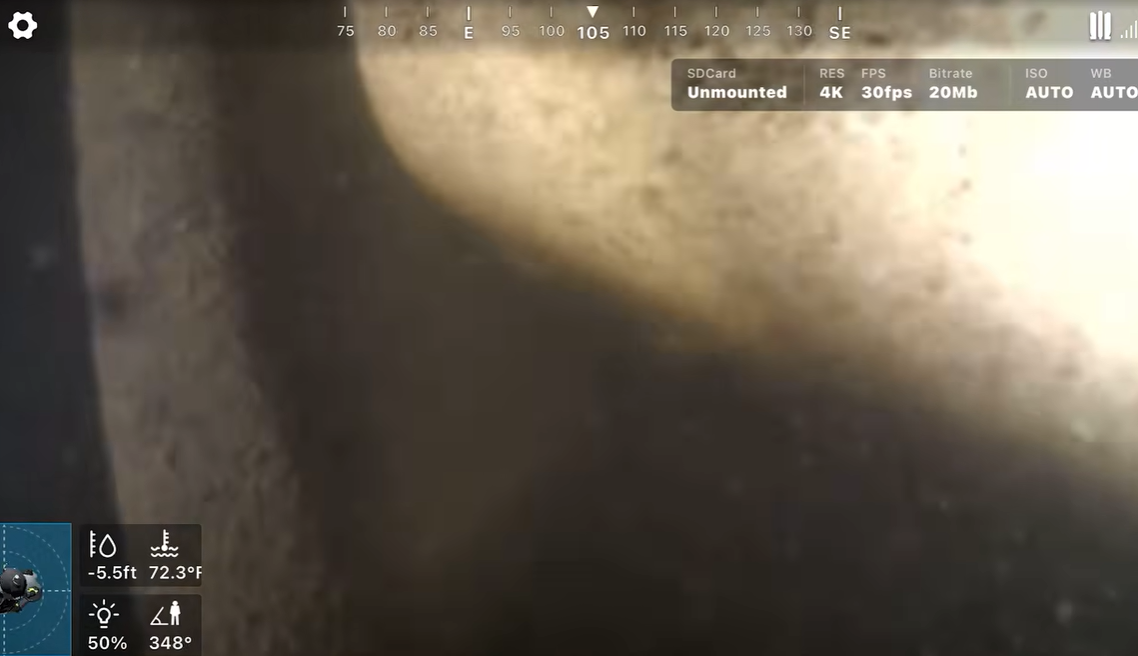
Volunteer searchers survey Deer Creek Reservoir in Ohio, where the missing vehicle was later located approximately 100 yards from shore.
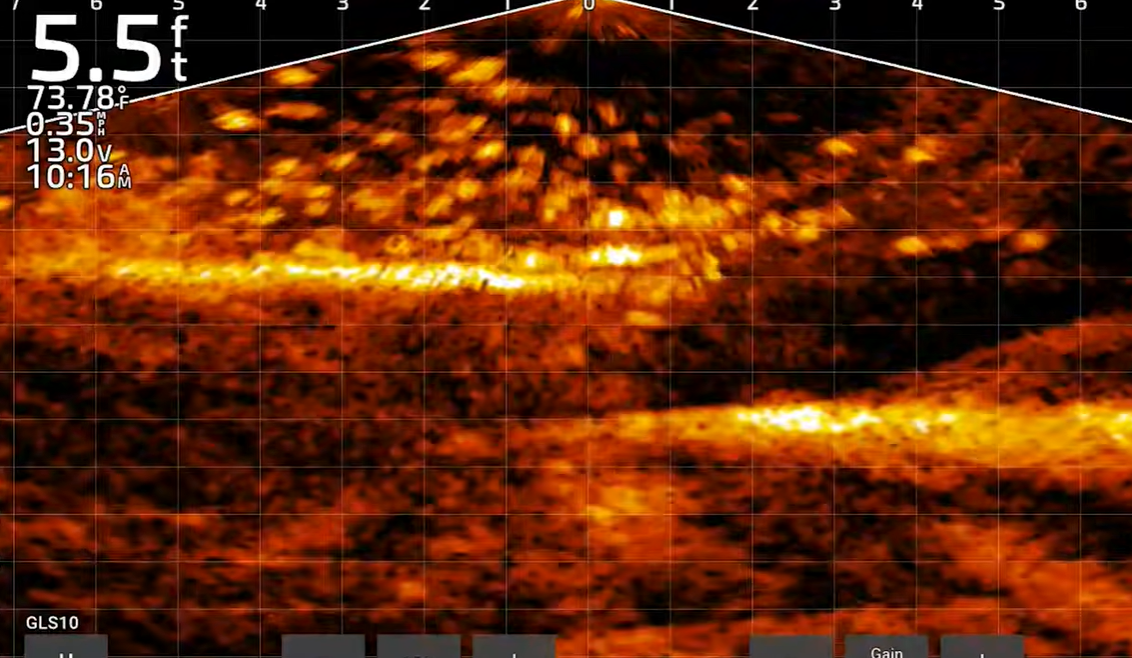
Sonar reveals a vehicle-shaped target on the reservoir bottom, providing the first major lead in the 24-day search.
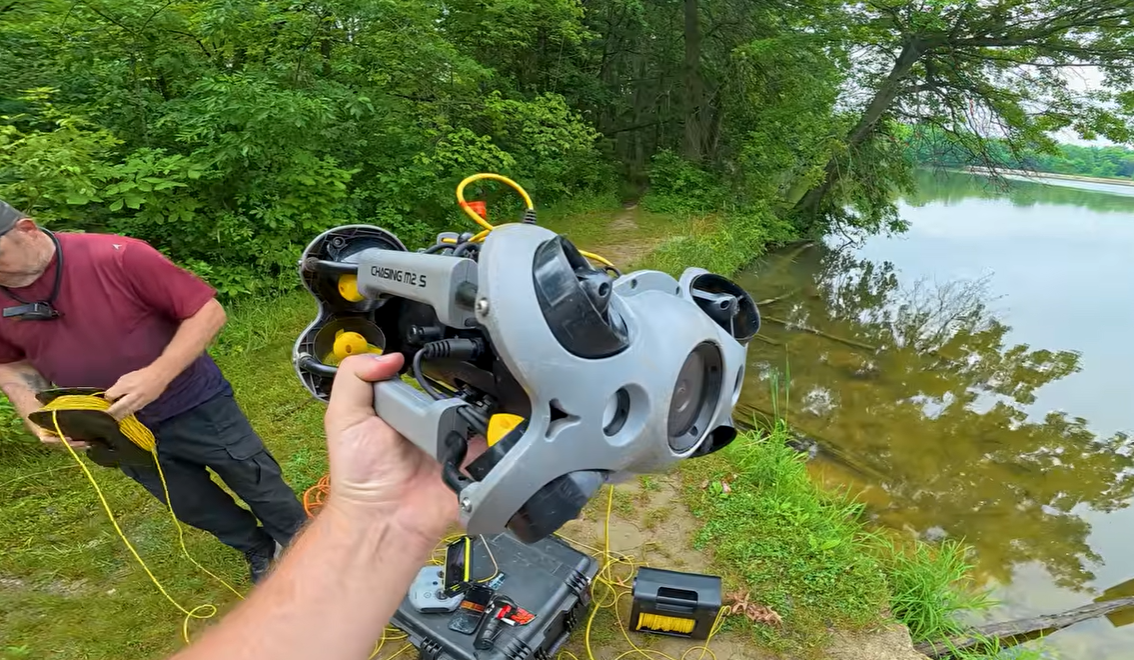
The search team deploys the compact CHASING M2 S underwater ROV directly from the shoreline to visually inspect the sonar target.
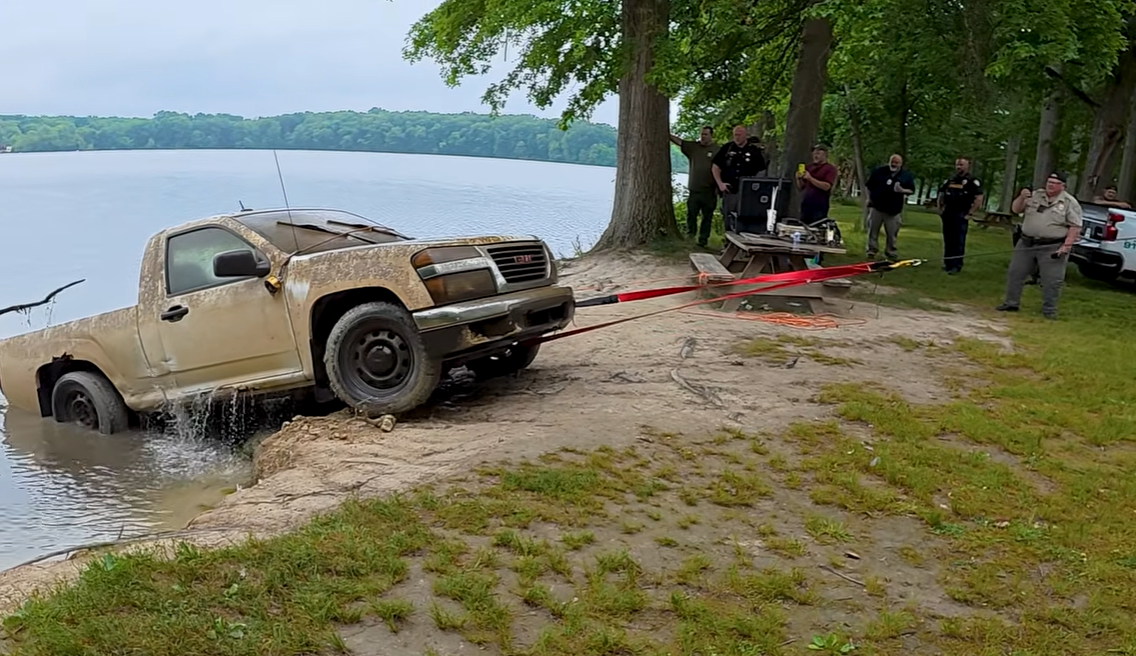
Recovery crews remove the vehicle after its identity and underwater location were confirmed through live ROV footage.
A CHASING M2 S underwater robot helped confirm a missing pickup in Ohio, turning a sonar target into live, identifiable visual evidence.
ALLIANCE, OH, UNITED STATES, August 6, 2026 /EINPresswire.com/ -- A 24-day search for a missing pickup truck in Ohio reached a critical breakthrough when a CHASING M2 S underwater ROV helped volunteers transform a sonar discovery into confirmed visual evidence.
The search team had located a suspicious object approximately 100 yards (91 meters) offshore in Deer Creek Reservoir using sonar. However, the sonar image could only indicate a pickup-shaped object on the reservoir bottom and could not confirm the vehicle’s color, model or identity.
To verify the target, volunteers deployed a CHASING M2 S underwater robot directly from the shoreline. The ROV traveled to the sonar coordinates, transmitted live underwater video to the surface and revealed a white pickup truck resting underwater. The team captured identifying information from the rear of the vehicle, which matched the registration details of the missing truck.
The operation demonstrated how compact underwater robotics can provide search teams with critical visibility in environments where traditional surface observation is limited.
A Search That Moved From Roads to Water
On June 3, 2026, 20-year-old Nathaniel Hang left his home in Alliance, Ohio, driving a white 2010 GMC Canyon pickup truck. He did not return.
As family members, volunteers and emergency personnel searched for possible clues, the investigation expanded from roads and surrounding communities to nearby waterways.
Water searches create unique challenges. A vehicle can be located relatively close to shore while remaining completely invisible from land due to poor visibility, sediment, depth and the absence of surface evidence.
On June 27, the 24th day of the search, volunteer searchers Adam Brown and Jeremy Sides arrived at Deer Creek Reservoir to investigate a possible vehicle entry area.
Because motorized boat use was restricted in the area, the team launched a remote-controlled sonar boat from shore and began scanning the reservoir bottom.
The sonar detected an unusual object approximately 100 yards offshore in around 10 feet (3 meters) of water. The shape appeared consistent with a pickup truck, including a recognizable cab and rear bed outline.
After more than three weeks of searching, the sonar result became the strongest lead.
But finding an object was only the beginning.
From Sonar Detection to Visual Confirmation
Sonar is an important tool for underwater searches because it can detect objects hidden below the surface, even in dark or low-visibility environments.
However, sonar images often provide limited information. They can reveal the location and general shape of an object but may not confirm specific details such as vehicle color, model or identifying features.
Before committing additional resources, the search team needed answers:
Was the object actually a pickup truck?
Was it the missing white GMC Canyon?
Could the vehicle’s identity be confirmed safely?
Instead of immediately deploying divers to inspect an unknown underwater object, the team used an underwater ROV to conduct an initial visual inspection.
CHASING M2 S Provides the Missing Underwater View
After marking the sonar coordinates, the search team deployed the CHASING M2 S underwater ROV directly from the reservoir shoreline.
The compact ROV was able to be transported and operated by a small field team without requiring a dedicated workboat or heavy deployment equipment.
As the vehicle moved toward the sonar target, operators monitored live underwater footage from the surface.
At first, the camera showed only dark and unclear water.
Then, a light-colored shape slowly appeared.
The white body of a pickup truck became the first clear visual confirmation that the sonar target was a vehicle.
The operator continued maneuvering the ROV around the object, revealing the truck cab, body structure and rear bed.
The ROV then moved toward the rear of the vehicle, using onboard lighting and its camera system to capture identifying information.
The information recorded by the underwater robot matched the registration details of the missing GMC Canyon.
The confirmation process followed a clear sequence:
Sonar detection → Pickup-shaped outline → White vehicle body → GMC pickup identification → Registration match
Sonar answered: Where is the target?
The underwater ROV answered: What is the target?
Supporting Safer and More Efficient Search Operations
After the vehicle was identified, underwater footage and location information were provided to the relevant authorities to support recovery planning.
Emergency personnel and towing crews later completed the vehicle recovery.
The operation highlighted the complementary roles of sonar and underwater robotics in underwater search and recovery:
Scan the area → Detect a possible target → Deploy an ROV → Obtain live video → Confirm the object → Plan the response
Sonar enables teams to quickly search large underwater areas and identify locations requiring further inspection.
An underwater ROV then provides close-range visual information, helping teams understand underwater conditions before deploying additional personnel or equipment.
This approach can be valuable in reservoirs, rivers, lakes and other inland waterways where visibility is poor or access is limited.
Another Set of Eyes Beneath the Surface
Professional divers remain essential for underwater recovery, inspection and intervention tasks.
An underwater robot does not replace divers, law enforcement or emergency responders. Instead, it provides additional information that can support better preparation and decision-making.
Live underwater video can help teams evaluate:
- Vehicle location and orientation
- Surrounding obstacles
- Potential entanglement hazards
- Recovery approach options
- Underwater conditions
For complex operations involving volunteers, families, law enforcement agencies, rescue personnel, divers and recovery teams, shared visual information can improve coordination.
Before confirmation, teams may only know that a vehicle could be underwater.
After the ROV inspection, they have a clearer understanding of the situation:
The vehicle has been identified.
Its location has been documented.
The underwater environment has been observed.
Expanding the Role of Underwater Robotics in Public Safety
Many land-based searches rely on surveillance cameras, aerial drones, vehicle records and witness information.
Underwater environments remove many of those sources of information.
A reservoir surface may appear completely normal even when a vehicle is resting on the bottom nearby.
Compact underwater robotics provides search teams with another way to access, observe and document underwater environments that cannot be seen from shore.
During the Deer Creek Reservoir operation, the missing pickup remained hidden approximately 100 yards offshore during a 24-day search.
Sonar discovered the possible location.
The CHASING M2 S underwater ROV provided the close-range visual evidence needed to confirm the vehicle’s appearance and identifying information.
By bringing underwater targets into view before personnel enter the water, portable ROV technology can help public safety teams make more informed decisions and improve the efficiency of search and recovery operations.
About CHASING
CHASING develops underwater robotic systems designed to help professionals access, inspect and document underwater environments.
Its portfolio includes portable and industrial remotely operated vehicles (ROVs) used in public safety, underwater inspection, marine research, aquaculture, exploration and industrial applications worldwide.
For more information, visit: https://www.chasing.com/en/chasing-m2s-overview.html?utm_source=pr_distribution&utm_medium=pr&utm_campaign=CHASINGM2S_20260806
yang xiaoyang
CHASING INNOVATION TECH CO.,LTD
+86 159 2852 4095
email us here
Legal Disclaimer:
EIN Presswire provides this news content "as is" without warranty of any kind. We do not accept any responsibility or liability for the accuracy, content, images, videos, licenses, completeness, legality, or reliability of the information contained in this article. If you have any complaints or copyright issues related to this article, kindly contact the author above.
